Local Lifestyle Guide
The direction your home faces quietly decides how much sun every part of your yard receives, and that single fact shapes everything you can grow. A south-facing backyard can feed a family from raised vegetable beds, while a north-facing one stays cool and shady and is made for hostas and ferns. Buyers who know how to read the sun can spot a great gardening house in one walk-around, and sellers with a well-planned garden have a feature that photographs beautifully. Here is how to understand your home's light before you plant a single seed.
Sun by Direction
In the northern hemisphere, the sun always travels across the southern part of the sky. That one fact is the whole game: south-facing yards get the most direct light, north-facing yards the least, and east and west sit between them with very different personalities.
Full Sun, 6 to 8+ Hours
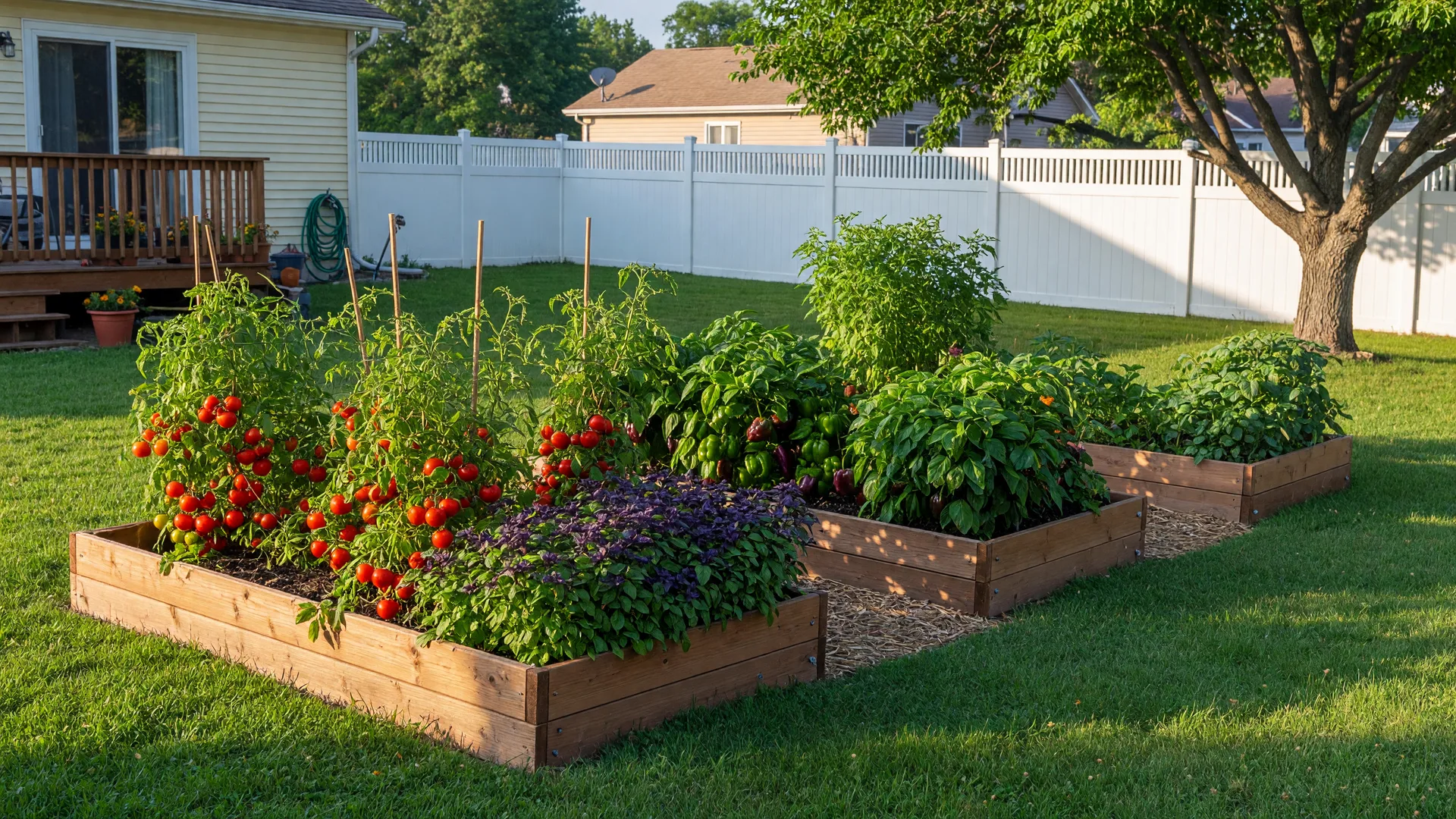
Direct sun from mid-morning to late afternoon, the warmest, brightest exposure a yard can have, and it holds warmth into fall.
Thrives with: tomatoes, peppers, basil, roses, coneflowers and every sun-loving vegetable.
Hot Afternoon Sun
Shaded through the morning, then the full blast of afternoon heat, the most intense sun of the day.
Thrives with: rosemary, thyme, salvia and drought-tolerant perennials.
Gentle Morning Sun
Direct sun from sunrise to about midday, then soft shade for the rest of the day. Cool and kind to plants that scorch in harsh afternoon light.
Thrives with: lettuce, spinach, kale, cilantro, parsley, mint and woodland perennials.
Shade, Under 3 Hours
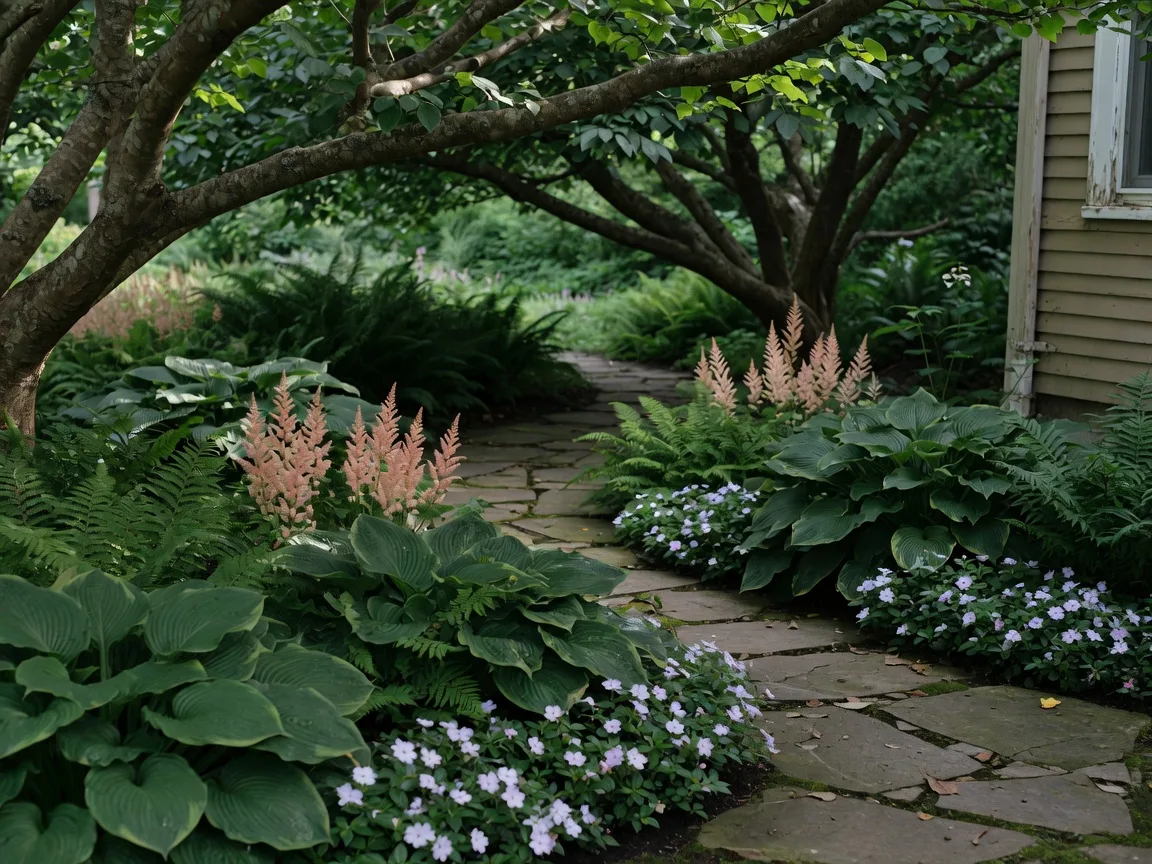
The least direct sun of all, mostly soft indirect light that stays cool even in July, yet the wrong place for sun-craving edibles.
Thrives with: hostas, ferns, astilbe, bleeding heart, impatiens and begonias.
You do not have to guess where the light falls. A few practical tools map the sun for any address and show how shadow moves through the day, whether you are planning a garden bed or touring a home.
Plants by Light
Gardeners sort plants by how many hours of direct sun they need each day. Match the plant to the exposure and almost everything grows; get it wrong and even a healthy plant sulks.
Tomatoes, peppers, eggplant, cucumbers, squash, beans, basil, lavender, roses, coneflowers and black-eyed Susans.
Best spot: south-facing beds first, then west-facing beds with a little afternoon cover for the most tender plants.
Lettuce, spinach, kale, chard, peas, carrots, beets, cilantro, parsley, mint, coral bells and many hydrangeas.
Best spot: east-facing beds, where morning sun and cool afternoon shade keep greens from bolting in July heat.
Hostas, ferns, astilbe, bleeding heart, impatiens, begonias and lungwort.
Best spot: north-facing beds and the shade beneath mature trees. Save the vegetables for the sunny side.
Raised Beds & Placement
Tomatoes, peppers, cucumbers and squash need the longest full-sun stretch to ripen and produce. If your yard has a south-facing bed, that is where the vegetables belong.
Lettuce, spinach, peas and other greens love morning sun and the cool afternoon shade that keeps them from bolting in July. It is the quiet secret of the whole yard.
West beds take the hottest sun of the day, so plant drought-tolerant sun lovers there and give the most tender plants a little dappled cover from a tree or a shade cloth.
Hostas, ferns and woodland perennials turn a dim corner into the most restful part of the garden, and they need almost no summer watering.
Raised beds warm up earlier in spring and drain better than in-ground rows. Orient them so the long side runs east to west and every plant gets even light.
Fences, houses and trees throw shade that moves through the day. Walk the yard at mid-morning and mid-afternoon before you commit a bed to a spot.
Water & Soil
Sun and water are two halves of the same story. A bed that bakes all afternoon dries out twice as fast as a shaded one, and the soil under the trees holds moisture far longer.
A full-sun bed can dry out twice as fast as a shaded one in a July heat wave. Plan soaker hoses or drip irrigation on the south and west sides before the heat arrives.
It dries dew off leaves early in the day, which helps prevent the fungal problems that love cool, damp foliage.
A few inches of mulch keeps west- and south-facing beds cooler and slows evaporation. Water deeply in the morning, not in the heat of the afternoon.
Shade beds hold moisture and need far less water than full-sun beds. Water the garden by what each side experiences, not by one schedule for everything.
Much of the region sits on heavy clay that drains slowly. Raised beds with good amended soil fix it, and the local garden centers below can help you test or amend.
Pots are the one thing you can reposition. Move tender plants into shade during heat waves, then back into full sun once it passes.
Buying & Selling Value
Gardens are one of the few home features that cost little yet photograph beautifully and widen the pool of buyers. For buyers, a yard's light tells you what kind of outdoor life the home can support before you ever dig.
Note which side gets morning sun, which gets afternoon sun and where the shade falls at five o'clock. That walk tells you more than any listing photo.
Mature trees, established beds and perennials are worth real money and instant curb appeal. A struggling lawn on the north side usually means the wrong plant in the wrong place.
The longest stretch of full sun is the most valuable feature for vegetable gardeners, and east-facing yards are a gift for greens and morning coffee outdoors.
Mature trees can shade a planned vegetable bed, and south-facing windows bring winter light indoors and passive warmth. Both are worth tracking in your notes.
A tidy, blooming front bed and a well-kept raised vegetable garden photograph beautifully and widen the pool of buyers from the first listing.
Weeds out, edges crisp, beds mulched and one or two blooming anchors move the needle far more than an elaborate renovation before listing.
Buyers who garden ask. A south-facing bed is a selling point, and so is a cool north patio in July. Mention both in your listing notes.
When the market heats up, literally and figuratively, a shaded seating area becomes a feature. Stage it as the cool retreat it is.
Gardening in the Region
Most of the South Suburbs and Northwest Indiana sit in USDA hardiness zone 6a on the 2023 map, with Crown Point straddling the 5b and 6a line. That means winter lows usually bottom out around -10 to -5 degrees Fahrenheit, so plants rated for zone 6a or colder are the safe bet. The growing season typically runs from about mid-April to mid-October, plenty of time for tomatoes and peppers if you choose varieties suited to a Midwestern season.
Where to Buy Plants & Supplies
These are the garden centers and nurseries buyers and sellers across my Illinois and Indiana towns actually use. Each card opens the garden center's own site.
Frankfort, IL
A full-service garden center on LaGrange Road with trees, shrubs, perennials and supplies for new and established gardens alike.
Visit WebsiteFrankfort, IL
A family-run Frankfort nursery with a broad selection of plants and seasonal color.
Visit WebsiteOak Lawn, IL
A long-running South Side garden center drawing customers from Orland Park and the surrounding suburbs.
Visit WebsiteSt. John, IN
The Indiana location of the same family-run garden center, serving the Lake Central towns.
Visit WebsiteCrown Point, IN
A Crown Point garden center on Lincoln Highway with plants and landscaping supplies.
Visit WebsiteValparaiso, IN
A Valparaiso nursery and garden center serving the Porter County side of the region.
Visit WebsiteValparaiso, IN
A Valparaiso nursery on US 6 with trees, shrubs, perennials and hardscape.
Visit WebsiteMany villages and park districts across the region run community garden programs, and a quick call to your town's parks department is the fastest way to find a plot near you. Moving from Illinois to Northwest Indiana? The sun rules do not change at the state line, yet soil, growing season and available lots do, and I help clients weigh both sides before they decide. The relocation guide explains what to consider, and the community guides dig into each town's parks and outdoor life.
Whether you want a south-facing vegetable garden, a cool shaded patio or a yard with room for both, I will build the search around the outdoor life you have in mind. You Can With Joanne!
Parks, recreation and outdoor life for every town in the region.
RelocationMoving across the state line? I am licensed in both Illinois and Indiana.
OutdoorsTrails, lakes and the region's best ways to enjoy the outdoors.
GolfGolf communities and courses across both sides of the state line.
Call or text (708) 252-1490 · Licenses RB18001751 (IN) · 475.183533 (IL)